
Laparoscopic hernia surgery is one of the most advanced and preferred treatment options for repairing various types of hernias, including inguinal, umbilical, femoral, epigastric, ventral, and incisional hernias. This minimally invasive technique uses small keyhole incisions instead of a large surgical cut, making the procedure safer, less painful, and associated with faster recovery and minimal scarring.
Dr. Pinak Dasgupta, a leading Hernia Specialist in Chennai, has over 21+ years of exclusive experience in treating simple, complex, and recurrent hernias using advanced minimally invasive techniques. Recognised as one of the best laparoscopic hernia surgeons in Chennai India, he has successfully performed 5000+ hernia surgeries, including a large number of laparoscopic, e-TEP, and robotic hernia repairs.His extensive expertise and precision-driven approach have made him a preferred choice for patients not only from across India but also from the Middle East, Africa, Sri Lanka, Bangladesh, and Europe. Dr. Pinak Dasgupta currently practices at ALVUS Care, India’s leading centre for hernia surgery and minimal access procedures.
For patients seeking a painless, scar-minimising, and quick recovery solution, laparoscopic hernia surgery under the care of an experienced hernia specialist offers excellent outcomes and long-term relief.
What is Laparoscopic Hernia Surgery?
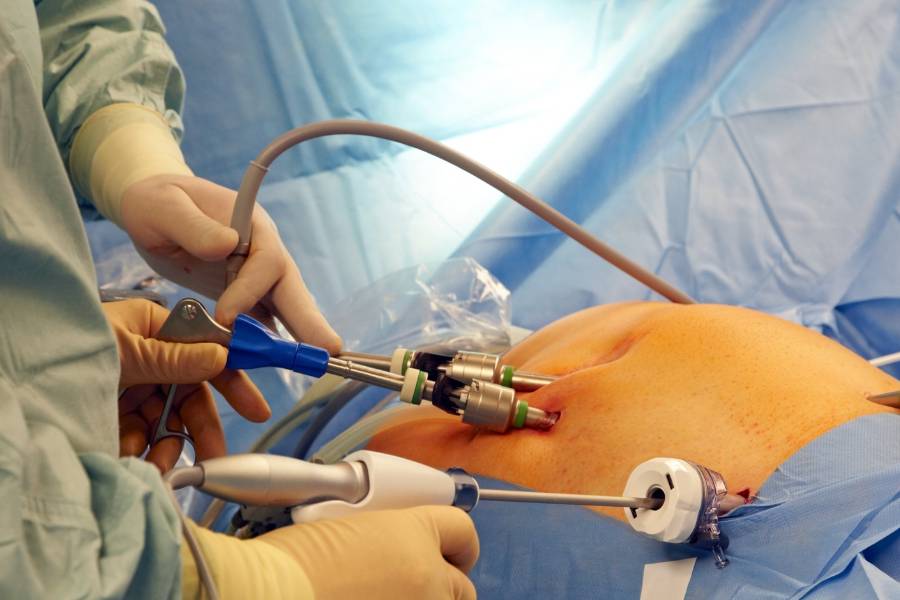
Laparoscopic hernia repair is a minimally invasive procedure performed through 2–3 tiny incisions in the abdomen. A high-definition camera (laparoscope) and specialised instruments are inserted to repair the hernia and place a mesh from inside the abdominal wall. It is especially recommended for bilateral hernias, recurrent hernias, and patients who want a quick return to normal life.
Who is the Right Candidate for Laparoscopic Hernia Surgery?
You may be an ideal candidate if:
- You have an inguinal, femoral, umbilical, ventral, or incisional hernia
- You do not have severe heart or lung disease
- You prefer keyhole surgery instead of open surgery
- You want minimal pain and faster healing
- You are medically fit for general anaesthesia
- You have a recurrent hernia after previous open repair
- You want a mesh placement with precise and long-term results
Most patients are suitable for laparoscopic hernia repair. A detailed evaluation, ultrasound, and medical fitness check will help confirm the safest approach for you.
Benefits of Laparoscopic Hernia Surgery:
- Minimal Pain After Surgery: Most patients feel significantly less discomfort compared to open surgery because the muscles are not cut. Pain reduces quickly, helping patients resume regular activities sooner.
- Faster Recovery & Early Return to Work: Patients can walk on the same day and resume light activities within 2–3 days. Office work is usually possible within a week, making it ideal for working individuals.
- Very Small Scars: The keyhole incisions heal quickly and are barely visible. This cosmetic advantage is especially important for younger patients.
- Better View for the Surgeon: The laparoscopic camera offers a magnified, high-definition view of the hernia from inside. This helps in more accurate mesh placement and reduces the chances of recurrence.
- Best for Bilateral & Recurrent Hernias: Both sides can be repaired in the same surgery through the same tiny incisions. Patients with previous failed hernia repair benefit greatly from the laparoscopic approach.
Types of Laparoscopic Hernia Surgery Available:
- TAPP (Transabdominal Preperitoneal Repair): This is a commonly performed minimally invasive technique where the surgeon enters the abdominal cavity and repairs the hernia from inside. It offers faster recovery, minimal pain, and excellent long-term outcomes, especially for groin hernias.
- TEP (Totally Extraperitoneal Repair): In this technique, the repair is done without entering the abdominal cavity. This reduces the risk of internal organ injury and is ideal for patients with inguinal hernias. TEP ensures quick return to work, less discomfort, and minimal scarring.
- Laparoscopic Ventral Hernia Repair (LVHR): This approach is used for ventral, umbilical, epigastric, and incisional hernias. A mesh is placed inside to reinforce the abdominal wall. It offers reduced wound complications and is particularly useful for larger or recurrent abdominal hernias.
- Laparoscopic Hiatal Hernia Repair: Used for hiatal or paraesophageal hernias, this surgery corrects the stomach’s position and strengthens the diaphragm opening. It effectively treats symptoms like heartburn, regurgitation, and chest discomfort.
- Laparoscopic Recurrent or Complex Hernia Repair: For patients with previous failed repairs or multiple hernias, this method provides a safer and more precise alternative. Advanced mesh fixation techniques and 3D visualization improve outcomes and reduce chances of re-recurrence.
Cost of Laparoscopic Hernia Surgery in Chennai:
The cost depends on the type of hernia, whether it is unilateral or bilateral, mesh type, surgical complexity, and hospital stay. Laparoscopic surgery usually falls in the mid-range and offers excellent long-term value due to fewer complications and quicker recovery. A personalised estimate is provided during consultation after physical examination and imaging.
Why Choose Dr. Pinak Dasgupta for Laparoscopic Hernia Surgery in Chennai?
- Experienced Hernia Specialist in India: Dr. Pinak Dasgupta is a highly trusted Hernia Surgeon in Chennai with over 21+ years of surgical experience. He has successfully performed 5000+ hernia surgeries, including advanced laparoscopic and minimally invasive procedures for all types of hernias.
- Expert in Complex and Recurrent Hernias: He is well known for treating complex, large, and recurrent hernias that are often difficult to manage. His deep understanding of abdominal wall anatomy helps ensure safe surgery and long-lasting results.
- Advanced Laparoscopic Hernia Surgery in Chennai, India: Dr. Dasgupta uses the latest laparoscopic and minimally invasive techniques, including modern mesh repair and advanced fixation methods. These techniques reduce pain, minimise scarring, and support faster healing.
- Award-Winning Hernia and Robotic Surgeon: His dedication and surgical excellence have been recognised with several prestigious awards, including:
- Award for Excellence in Hernia Surgery – 2021
- IAGES Shining Star Award – 2022
- Best Video Awards at CRSA 2020, ANZ AWR 2021, and HSICON 2021
- International Video Selections at KSELS (Korea) – 2021 & 2022
- Patient-Friendly Care and Clear Communication: Every patient receives personalised care, clear explanation of the condition, and guidance on the best treatment option, helping them feel comfortable and confident before surgery.
- Fast Recovery and Minimal Downtime: His minimally invasive approach results in smaller cuts, less pain, lower infection risk, and a quicker return to daily activities, making him a preferred choice for laparoscopic hernia surgery. Patients experiencing hernia-related discomfort are encouraged to book an appointment with Dr. Pinak Dasgupta for early evaluation and personalised treatment planning.
Frequently Asked Questions (FAQ's):
Yes, it is one of the safest and most advanced techniques, especially when performed by an experienced surgeon.
Most patients return to normal activities in 5–7 days and complete recovery occurs in 3–4 weeks.
No. The incisions are very small (0.5–1 cm) and become barely visible after healing.
Yes. Laparoscopy is one of the best approaches for recurrent hernia repair.
Yes, mesh is used to strengthen the abdominal wall and prevent recurrence.
Light walking can begin the same day. Gym and heavy lifting can resume after 4–6 weeks based on your surgeon’s advice.