
Recurrent hernias are some of the most challenging forms of abdominal wall defects. These occur when a hernia returns after previous surgery or when the hernia is very large, multiple, or associated with complications like infection, mesh failure, muscle weakness, or distorted anatomy. Treating such hernias requires advanced surgical skills, precise planning, and specialised techniques to ensure durable and long-lasting results.
Dr. Pinak Dasgupta, one of Chennai’s most trusted and experienced hernia specialist in Chennai, has more than 21+ years of exclusive expertise in handling complex, large, recurrent, multi-recurrence, and mesh-related hernias. He performs advanced laparoscopic, e-TEP, TAR (Transversus Abdominis Release), and open abdominal wall reconstruction procedures at ALVUS Care, Chennai — India’s leading centre for complex hernia surgery. If you have undergone previous hernia surgery and are still experiencing bulging, pain, mesh-related issues, or recurrence, Dr. Pinak offers world-class repair solutions with the highest success rates.
What is Recurrent Hernia Repair?
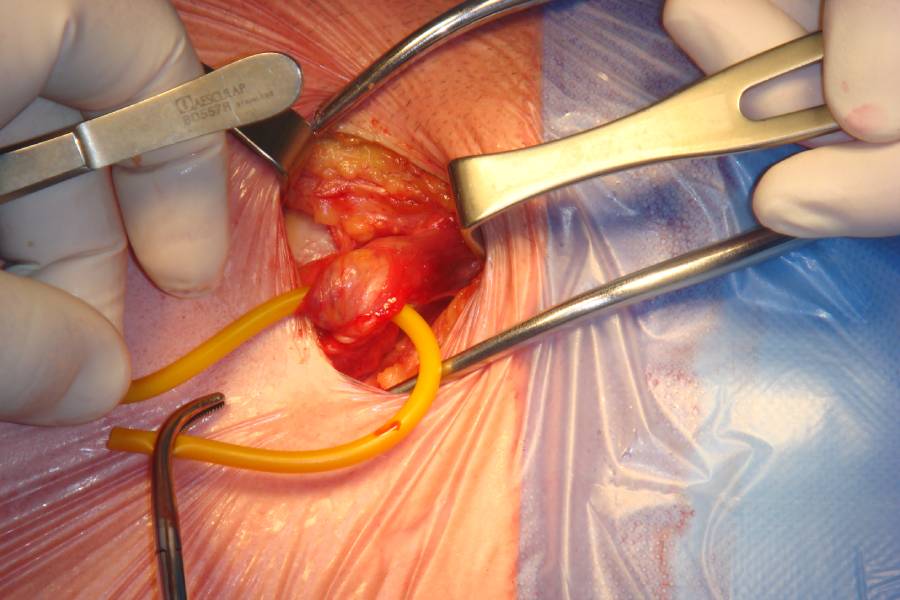
A recurrent hernia repair refers to surgeries performed for:
- Hernias that have reappeared after one or more previous repairs
- Very large abdominal wall hernias (giant ventral or incisional hernias)
- Hernias with muscle separation, mesh migration, or chronic infection
- Multiple hernias in different abdominal locations
- These cases need advanced imaging (CT scan), careful planning, and specialised surgical reconstruction of the abdominal wall using mesh and muscle-release techniques.
The goal is not only to close the defect but to restore the abdominal wall strength, relieve symptoms, and prevent future recurrence.
Who Is the Right Candidate for Recurrent Hernia Repair?
You may benefit from this surgery if:
- Your hernia has returned after previous open or laparoscopic repair
- Your hernia is large, painful, or increasing in size
- You have mesh-related problems (mesh migration, infection, rejection)
- You have multiple previous abdominal surgeries
- You experience difficulty in walking, breathing, or daily activities due to the bulge
- You have a “loss of domain” hernia where organs extend into the hernia sac
- You want a structured and long-lasting reconstruction instead of temporary solutions
A CT scan of the abdomen and a detailed surgical history review help determine the safest and most effective repair strategy.
Benefits of Advanced Recurrent Hernia Repair:
- Restores Abdominal Wall Strength: The surgical reconstruction brings back muscle function, improves posture, and supports daily activity.
- Reduces Pain & Discomfort: By removing old scar tissue and correcting muscle weakness, the procedure significantly reduces chronic pain.
- Best for Large & Complicated Hernias: Advanced techniques like TAR, e-TEP, and component separation provide durable results even for very large defects.
- Lower Recurrence Rates: Modern mesh placement, anatomical restoration, and tension-free repair greatly reduce the chances of the hernia returning.
- Cosmetic & Functional Improvement: The abdominal shape improves, the bulge disappears, and patients regain confidence and mobility.
Advanced Techniques Used by Dr. Pinak Dasgupta:
- e-TEP (Extended Totally Extraperitoneal Repair): A modern minimally invasive method ideal for recurrent, large, and midline abdominal wall hernias. It offers less pain, faster recovery, and precise mesh placement.
- TAR (Transversus Abdominis Release): A high-end reconstruction technique used for extremely large or complex hernias. It restores abdominal wall strength by releasing deep muscle layers and allows large mesh reinforcement.
- Laparoscopic Recurrent Hernia Repair: Used for groin, ventral, and incisional recurrences. The surgeon repairs the hernia from a fresh tissue plane, ensuring better long-term success.
- Open Abdominal Wall Reconstruction: Required when the hernia is very large, has infection, or involves multiple previous failed repairs. It is carefully planned to avoid tension and provide long-term stability.
- Mesh Removal & Re-repair: Used in cases with mesh infection, migration, chronic pain, or rejection. Old mesh is removed safely and a new anatomically correct repair is performed.
Indications for Recurrent Hernia Repair:
- Recurrence after open or laparoscopic repair
- Giant ventral or incisional hernias
- Postoperative infection or mesh complications
- Chronic pain after previous repair
- Multiple hernia sites
- Hernia with loss of domain
- Muscle separation (diastasis recti) associated with hernia
Why Choose Dr. Pinak Dasgupta for Recurrent Hernia Repair in Chennai?
- National Leader in Complex Hernia Surgery: With two decades of exclusive experience, Dr. Pinak is regarded as one of India’s top surgeons for recurrent and complex abdominal wall hernias.
- Expert in e-TEP, TAR & Abdominal Wall Reconstruction: He routinely performs high-end repairs that require advanced anatomical knowledge and technical precision.
- High Success Rates with Low Recurrence: His use of modern mesh technology, 3D laparoscopy, and meticulous surgical planning ensures excellent long-term outcomes.
- Specialised Expertise in Failed Previous Surgeries: Many patients visit him after multiple unsuccessful hernia operations; most achieve complete recovery after his reconstruction procedures.
- Comprehensive Pre-Surgery Evaluation: Includes CT scan analysis, muscle-function assessment, and personalised surgical planning for best results.
- Patient-Centred Approach: Clear communication, detailed counselling, and compassionate care ensure patients feel informed and confident.
Frequently Asked Questions (FAQ's):
Hernias can recur due to weak tissue, improper repair, mesh issues, infection, or heavy strain soon after surgery.
Yes. In many cases, laparoscopy is the preferred approach because it avoids previous scar tissue.
Large size, previous surgeries, pain, odd shape, or difficulty in reducing the bulge usually indicate complexity.
Yes, mesh is essential for strong, tension-free, and long-lasting repair.
When performed by an experienced specialist, it is safe and highly successful.
With advanced techniques like TAR and e-TEP, recurrence rates are extremely low (less than 1–3% in expert centres).