
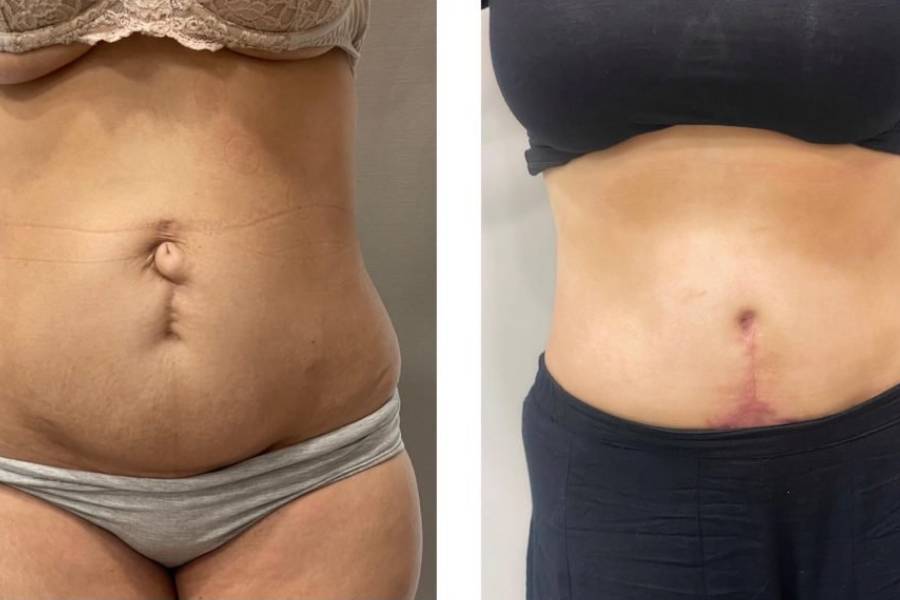
Abdominal Wall Reconstruction (AWR) is a specialised surgery used to treat large, complex, recurrent, or long-standing hernias where routine mesh repair or simple stitches are not sufficient. This procedure aims to restore the normal strength, shape, and function of the abdominal wall. AWR involves advanced techniques such as component separation, myofascial release, retromuscular mesh placement, and, in selected cases, laparoscopic, robotic, or hybrid approaches.
Dr. Pinak Dasgupta is one of the most experienced and trusted Hernia Specialist in Chennai and Abdominal Wall Reconstruction surgeons in Chennai, with over 21+ years of dedicated experience in treating complex hernia cases. He has successfully performed 5000+ hernia surgeries, including 1000+ robotic procedures, and is especially known for managing high-risk, recurrent, post-operative, and giant abdominal wall defects. His expertise includes advanced open, laparoscopic, eTEP, and robotic reconstructive techniques, ensuring strong repairs, faster recovery, and better long-term outcomes.
Dr. Dasgupta’s excellence in hernia surgery has been recognised nationally and internationally. He has received several prestigious awards, including the Award for Excellence in Hernia Surgery, IAGES Shining Star Award, and multiple Best Video Awards at national and international conferences. He is also widely respected as a trainer and mentor, having trained 500+ surgeons worldwide. Currently, he serves as Head & Chief Consultant – Robotic, Hernia, Colorectal and Abdominal Wall Reconstruction Surgery at ALVUS Care, Chennai, a nationally recognised centre for advanced hernia care.
What is Abdominal Wall Reconstruction?
Abdominal Wall Reconstruction is a highly specialised surgery done to repair:
- Large ventral or incisional hernias
- Hernias with loss of abdominal domain
- Multiple or recurrent hernias after previous failed repairs
- Hernias caused by previous surgeries, infection, trauma, or pregnancy
The goal is to rebuild the abdominal musculature, restore core strength, repair defects, and place mesh in the optimal anatomical plane to prevent future recurrence. Unlike routine hernia repairs, AWR requires a tailored approach combining open, laparoscopic, or hybrid procedures.
Who Needs Abdominal Wall Reconstruction?
You may be an ideal candidate for AWR if you have:
- A large ventral or incisional hernia
- A hernia that has come back after one or more previous surgeries
- Separated abdominal muscles (diastasis recti) with a hernia
- A hernia associated with infection or weakened abdominal muscles
- Complex hernias after bariatric surgery, cancer surgery, or trauma
- A bulging abdomen caused by loss of abdominal domain
Patients with diabetes, obesity, or multiple past surgeries may also benefit, but require pre-surgery optimisation under guidance.
Why Abdominal Wall Reconstruction is Important?
- Restores core strength and posture
- Prevents future recurrence
- Improves breathing, mobility, and daily activity
- Corrects disfigurement and improves body contour
- Reduces long-term pain and discomfort
- Helps regain confidence and quality of life
Types of Abdominal Wall Reconstruction Procedures:
- Open Component Separation Technique (CST): A procedure that releases and repositions muscle layers to close large defects without tension. Ideal for giant or complex hernias. It restores abdominal shape and strength effectively.
- TAR (Transversus Abdominis Release): A modern, highly advanced retromuscular approach that creates a large space for mesh placement. Offers excellent durability and low recurrence for massive hernias.
- eTEP-based Abdominal Wall Reconstruction: A minimally invasive option where reconstruction is done through small cuts using an enhanced-view total extraperitoneal approach. Results in less pain, minimal scarring, and faster recovery.
- Hybrid Reconstruction: A combination of laparoscopic and open techniques. Useful when the hernia is too large for laparoscopy alone but still benefits from minimally invasive visualization and mesh placement.
- Robotic Abdominal Wall Reconstruction: Uses 3D vision and robotic precision to release muscles and place the mesh with maximum accuracy. Offers reduced complications, minimal pain, and quicker mobility.
Benefits of Abdominal Wall Reconstruction:
- Very low recurrence rate compared to standard hernia repairs
- Restoration of functional core strength
- Improved physical appearance of the abdomen
- Lower risk of wound complications with modern meshes
- Better long-term stability of the abdominal wall
- Improved breathing and mobility
Dr. Pinak Dasgupta’s Expertise in Abdominal Wall Reconstruction:
- Pioneer in complex hernia surgeries, including loss-of-domain cases
- Expert in TAR, eTEP-TAR, robotic TAR, and advanced mesh techniques
- Specialises in recurrent, multiple, and previously infected hernias
- Performs 3D reconstruction planning for large defects
- Uses international quality meshes, including biologic and hybrid options
- Handles high-risk patients like diabetics, obese patients, and post-cancer patients with high success rates
His results show high patient satisfaction, excellent functional recovery, and very low recurrence.
Cost of Abdominal Wall Reconstruction in Chennai:
Cost varies based on:
- Hernia size and complexity
- Type of mesh (synthetic, composite, or biologic)
- Use of robotic or hybrid techniques
- Duration of hospital stay
- Need for ICU care or pre-surgery optimisation
- A personalised cost estimate is provided after assessment and imaging.
Why Choose Dr. Pinak Dasgupta for Abdominal Wall Reconstruction?
- Highly specialised abdominal wall surgeon with 21+ years of expertise
- Expert in complex, recurrent, and giant hernias
- Uses advanced minimally invasive and robotic techniques
- Extremely low recurrence rates
- Treats patients from India and abroad
- Strong focus on cosmetic outcome, function, and long-term durability
To book an appointment, consult Dr. Pinak Dasgupta at ALVUS Care, Chennai.
Frequently Asked Questions (FAQ's):
Yes, when performed by an experienced surgeon, AWR is safe and offers excellent long-term results.
Pain is much less with laparoscopic or robotic techniques. Modern pain-control methods ensure comfortable recovery.
Yes, in most cases. Permanent mesh provides long-term strength and prevents recurrence.
Yes, using staged techniques or biologic mesh depending on the clinical condition.
Most patients resume normal work within 2–3 weeks, depending on the type of reconstruction.