
Eating the right food after hernia surgery is very important for your healing. A proper diet helps your tissues recover faster, reduces abdominal discomfort, prevents constipation, and supports a safe return to normal activities. Your stomach and intestines need time to adjust after surgery, so following a structured diet plan can make recovery easier and more comfortable.
Why Diet Matters After Hernia Surgery?
- Helps in Faster Healing: Your body requires essential nutrients like protein, vitamins, and minerals to repair tissues and reduce inflammation after surgery.
- Reduces Abdominal Strain: A correct diet prevents gas, bloating, and constipation—common issues that can put pressure on the surgical area.
- Maintains Smooth Digestion: Eating light, soft, and easy-to-digest meals in the early days helps your digestive system settle without discomfort.
- Prevents Complications: Avoiding heavy, oily, and gassy foods reduces the risk of pain, bloating, vomiting, and strain on stitches.
Diet Progression After Hernia Surgery: Week-by-Week Guide
Your diet will gradually change as your body heals. Here is the standard progression recommended by most surgeons:
Phase 1: Clear Liquid Diet (First 12–24 Hours):
Helps your digestive system restart gently after anaesthesia.
Allowed Items:
- Water
- Clear vegetable or chicken broth
- Coconut water
- Lemon water (without seeds or pulp)
- ORS solution
- Apple juice (diluted)
- Herbal teas
Purpose:
- Prevents nausea
- Keeps you hydrated
- Reduces abdominal pressure
Phase 2: Full Liquids & Soft Foods (Week 1):
Once you tolerate clear liquids, you can start soft, easy-to-digest meals.
Recommended Foods:
- Dal water, rice gruel
- Khichdi, mashed potatoes
- Upma, porridge, suji halwa
- Curd, yoghurt, buttermilk
- Scrambled eggs / steamed egg
- Oats, soft cereals
- Smooth soups & pureed vegetables
Important Tips:
- Eat 5–6 small meals instead of 2–3 large meals
- Avoid caffeine, spicy foods, fried foods
- Avoid gas-forming foods like:
- Cabbage
- Beans
- Cauliflower
- Soya
- Sit upright for 20–30 minutes after meals to prevent reflux
Phase 3: Reintroducing Solids (Weeks 2–3):
You can now slowly add regular foods but must avoid heavy meals.
Include:
Lean Proteins:
- Chicken, fish
- Moong dal, masoor dal
- Paneer
- Tofu
Carbohydrates:
- Rice, chapati (soft)
- Dalia, poha
- Idli, dosa
Healthy Fats:
- Ghee (small amounts)
- Olive/groundnut oil
Cooked Vegetables:
- Lauki (bottle gourd)
- Carrot, pumpkin
- Spinach
- Beans (in small quantity)
Phase 4: High-Fibre Diet (Week 4 onwards):
Now your focus should shift to preventing constipation and improving gut health.
Recommended:
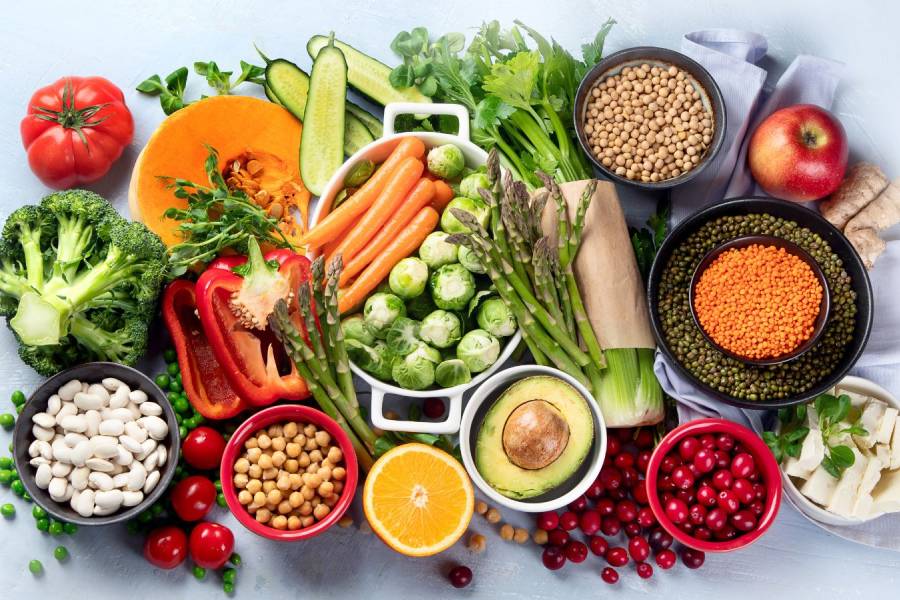
- Fruits: papaya, banana, apple, pears, oranges
- Vegetables: beetroot, spinach, carrot, green peas (moderate)
- Whole grains: brown rice, whole wheat, oats
- Nuts & seeds: soaked almonds, chia seeds
- Plenty of fluids: 2–3 litres/day
Why Fibre?
Because constipation can cause straining, which may affect the operated area and slow healing.
Hydration Tips:
Staying hydrated helps digestion and prevents constipation.
- Drink 2–3 litres of water daily
- Include soups, buttermilk, coconut water
- Avoid carbonated drinks—they increase gas and abdominal pressure
When to Call Your Doctor?
Seek medical help if you notice:
- Severe stomach pain
- Vomiting
- No bowel movement for 3 days
- Excess bloating
- Fever
- Pain at the surgical site