

Surgical mesh is widely used to strengthen the abdominal wall after hernia repair. In the vast majority of patients it is safe and effective. However, in a small number of cases the mesh can cause problems — including mesh infection, chronic pain, erosion, or mesh-related complications. Early recognition and specialist care make a big difference to outcomes, so it is important to know the signs and what to do next.
What is Mesh Infection?
Mesh infection means the surgical mesh becomes infected or causes ongoing inflammation at the repair site. Symptoms may appear soon after surgery or many months — even years — later. If not treated timely, infection can damage nearby tissues, cause persistent pain, or require complex revision surgery.
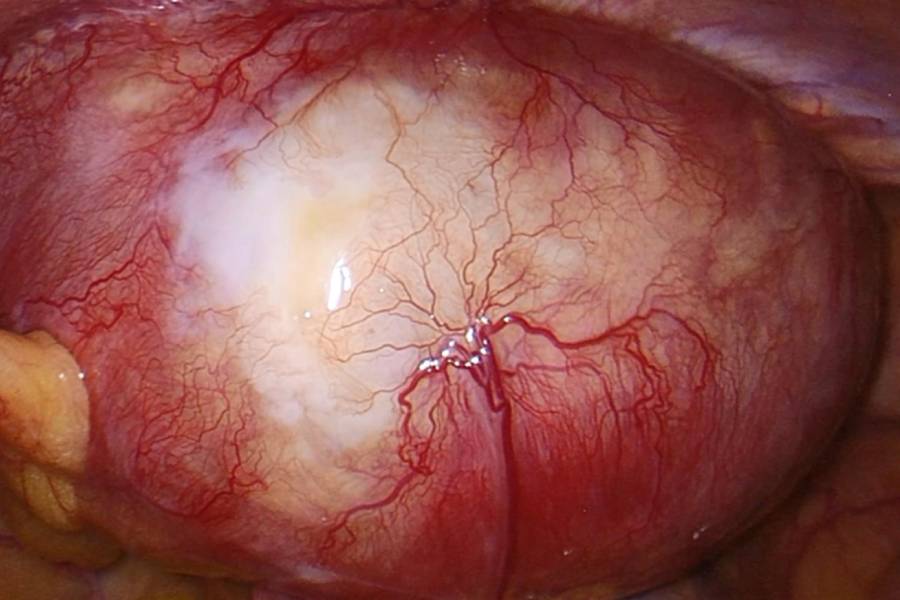
Warning Signs & Symptoms (Watch For These):
- Increasing or persistent pain around the surgical site (not improving with time).
- Redness, warmth or swelling near the scar.
- Fever, chills or flu-like symptoms.
- Foul-smelling or pus-like discharge from the wound.
- A visible lump, skin breakdown or sinus (a draining tract).
- New or worsening digestive symptoms, or symptoms of bowel obstruction in some cases.
If you notice any of these, consult a hernia specialist immediately.
Who is at Higher Risk? (Risk Factors)?
- Diabetes, obesity or poor nutritional status.
- Smoking or immunosuppression (weakened immunity).
- Post-operative wound infection or poor wound healing.
- Large or contaminated operations (eg: emergency bowel surgery).
- Old or heavy-weight mesh types or incorrect placement.
- Multiple previous surgeries at the same site (scarred tissue).
Why Early Specialist Assessment Matters?
Mesh problems can be subtle and variable. General practitioners may miss or delay diagnosis. A hernia mesh specialist has the experience and tools to:
- Differentiate between normal healing pain and true infection.
- Order the right imaging (ultrasound / CT / MRI) to see mesh position, fluid collections, or abscess.
- Recommend the best treatment plan — conservative, interventional, or surgical.
Early specialist involvement often prevents unnecessary suffering and reduces the chance of complex revision surgery.
How Mesh Infection Is Diagnosed?
- Detailed clinical history and wound examination.
- Blood tests (inflammatory markers, cultures if discharge present).
- Ultrasound to identify fluid collections or abscess.
- CT or MRI for detailed mapping of mesh position and tissue reaction.
- Wound swab or fluid aspiration for microbiology to guide antibiotics.
Treatment Options — Stepwise Approach:
Conservative Management:
- Appropriate when the infection is mild or limited.
- Targeted antibiotics (based on culture), wound care, and close monitoring.
- Image-guided drainage if a localized fluid collection exists.
Interventional Procedures:
- Percutaneous (needle) drainage of abscess under imaging guidance.
- Repeated drainage plus antibiotics may control some infections.
Surgical Management (Revision / Mesh Removal):
- Required when infection persists, mesh is exposed, or there is chronic pain/erosion.
- Partial or complete mesh removal done by an experienced hernia surgeon.
- Re-repair may involve new mesh placement in a different plane or abdominal wall reconstruction (TAR / component separation) depending on the case.
- Revision surgery is complex — choose a surgeon experienced in mesh complications.
The Importance of a Second Opinion:
Mesh removal is a major decision. A second opinion from a mesh/complex-hernia specialist can:
- Confirm diagnosis and rule out other causes (nerve pain, recurrence).
- Suggest less invasive alternatives where possible.
- Help choose the optimal timing and technique for any revision surgery.
Always request your full medical records, imaging, and operation notes when seeking another opinion.
Practical Action Plan for Patients:
- Document symptoms (timing, fever, discharge, pain pattern).
- Keep all surgical records, mesh details, and discharge summaries.
- Seek urgent evaluation by a hernia/mesh specialist if red flags exist.
- Ask for targeted imaging (USG/CT/MRI) and microbiology tests.
- Get a second opinion before any definitive mesh removal surgery.
Prevention & Patient Advice:
- Maintain good blood sugar control if diabetic.
- Stop smoking before elective hernia surgery.
- Follow wound-care instructions closely after surgery.
- Seek early care for any wound redness, discharge, or fever.
Frequently Asked Questions (FAQ's):
It is uncommon, but when it occurs it requires prompt attention. Most hernia patients never experience this problem.
Not always. Some infections respond to antibiotics and drainage. Removal is reserved for persistent infection, exposed mesh, or severe complications.
Mesh removal and re-repair can be complex but are safer in the hands of an experienced hernia/abdominal wall specialist.
Yes — symptoms can arise months or years later, so long-term vigilance is important.
With specialist care, many patients recover well; sometimes reconstruction is needed to restore abdominal wall strength.