
Experiencing some pain after hernia surgery is normal, especially in the first few days as the body heals. Most patients recover smoothly with minimal discomfort. However, in some cases, the pain may last longer, become severe, or interfere with daily activities. This condition is often called post-hernia repair pain or chronic groin pain after hernia surgery.
If you have persistent discomfort weeks or months after the procedure, it is important to consult a specialist. Dr. Pinak Dasgupta, one of the best hernia surgeons in Chennai, has extensive experience in diagnosing and treating all types of post-surgical pain, including nerve-related pain, mesh-related issues, and recurrent hernias. Proper evaluation and the right treatment can significantly improve comfort, mobility, and quality of life.
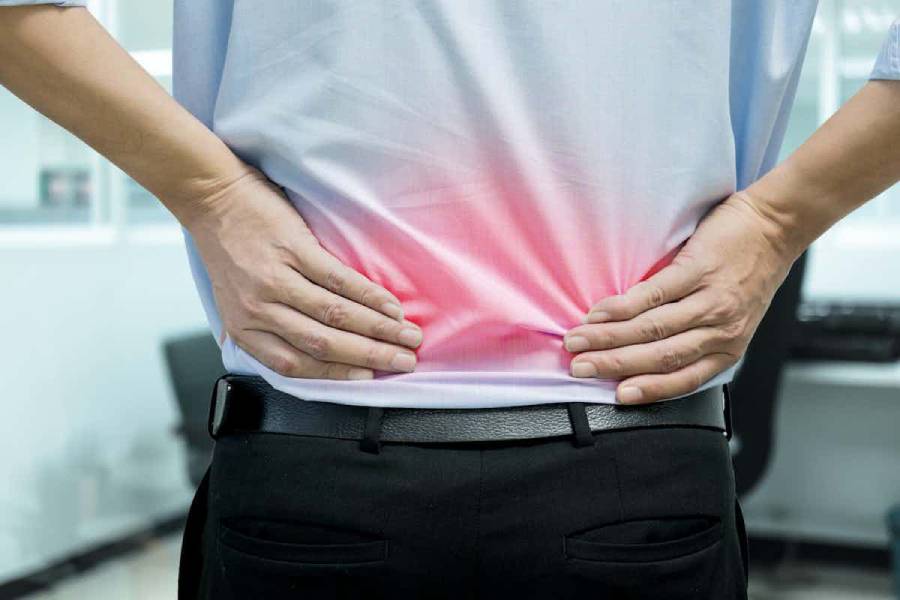
Common Causes of Pain After Hernia Surgery:
- Normal Post-operative Pain: A certain amount of soreness or pressure in the operated area is expected in the first 1–2 weeks. This improves gradually with rest, medicines, and light walking. It is part of the natural healing process.
- Nerve Irritation or Nerve Entrapment: Sometimes, small nerves in the groin or abdominal wall may become irritated or trapped during healing. This can cause burning, tingling, sharp pain, or sensitivity. Early diagnosis helps prevent chronic discomfort.
- Mesh-related Pain: In rare cases, the mesh used to strengthen the abdominal wall may cause tightness, inflammation, or stiffness. Modern lightweight meshes reduce this risk, but expert evaluation is important if the pain does not settle.
- Recurrence of Hernia: If the original hernia reappears, it can cause discomfort, heaviness, or a feeling of dragging pain. Laparoscopic evaluation and imaging help confirm this and guide further treatment.
- Infection or Seroma: Fluid collection, swelling, redness, or warmth around the surgical site can indicate infection or seroma. Immediate medical attention ensures early treatment and prevents complications.
Treatment Options for Pain After Hernia Surgery:
- Medication & Conservative Management: Painkillers, anti-inflammatory medicines, and nerve pain medications help relieve discomfort. Many patients respond well to simple and non-invasive treatment when started early.
- Physiotherapy & Strengthening Exercises: Targeted physiotherapy helps reduce stiffness, improve mobility, and relax strained muscles around the repair site. Core strengthening, stretching, and guided movements can significantly reduce chronic pain.
- Nerve Block or Local Injections: For nerve-related pain, local anaesthetic or steroid injections around the affected nerve can provide long-term relief. These procedures are safe and help avoid surgery in many cases.
- Laparoscopic Re-exploration: If the pain is due to mesh complications or hernia recurrence, minimally invasive surgery may be recommended. Laparoscopic re-exploration allows precise diagnosis and correction with faster recovery.
- Mesh Removal or Revision Surgery: In very rare cases, if the mesh is the cause of the pain, partial or complete mesh removal may be done. An experienced surgeon ensures safe revision and strengthens the abdominal wall again to prevent recurrence.
Why Choose Dr. Pinak Dasgupta for Post-Hernia Surgery Pain?
- Expert in Complex & Chronic Post-Hernia Pain Management: With over 21 years of surgical experience and more than 5,000 hernia surgeries performed, Dr. Pinak Dasgupta specialises in accurately identifying the root cause of persistent post-hernia surgery pain and providing personalised, evidence-based treatment for long-term relief.
- Advanced Laparoscopic & Robotic Techniques: As an Intuitive Da Vinci Certified Robotic Surgeon, Dr. Dasgupta uses advanced laparoscopic and robotic approaches to precisely address nerve-related pain, mesh complications, or recurrence, ensuring faster recovery and minimal post-procedure discomfort.
- High Success Rate in Recurrent & Complex Hernia Cases: Having successfully managed 1,000+ robotic hernia repairs and numerous complex and recurrent cases, Dr. Dasgupta is widely trusted by patients across India for safe, precise, and durable outcomes, even in challenging post-surgical pain conditions.
- Recognised Excellence & Award-Winning Surgeon: Dr. Dasgupta’s expertise has been recognised nationally and internationally, including the IAGES Shining Star Award (2022), EFIAGES Gold Medal, and fellowship honours such as FACRSI. These accolades reflect his commitment to surgical excellence and patient-centered care.
- Comprehensive Care with Physiotherapy Support: From detailed diagnosis to post-treatment rehabilitation, patients receive complete care supported by structured physiotherapy programs, helping them regain mobility, confidence, and quality of life at the earliest.
- Book an Appointment: If you are experiencing ongoing pain or discomfort after hernia surgery, early evaluation is important. You can book a consultation with Dr. Pinak Dasgupta in Chennai to receive a thorough assessment and personalised treatment plan aimed at long-term relief and safe recovery.
Cost of Treating Pain After Hernia Surgery in Chennai:
The cost varies depending on the underlying cause, type of treatment required (medicines, physiotherapy, nerve block, or revision surgery), and hospital setup. Most evaluations begin with simple and affordable diagnostic tests. You will receive a clear estimate after your clinical consultation.
Frequently Asked Questions (FAQ's):
Most patients experience mild pain for 1–2 weeks. If pain continues beyond this period, it should be evaluated.
It is not very common, but may occur in some patients due to nerve irritation or mesh issues.
Severe pain, swelling, redness, fever, or worsening discomfort after 2–3 weeks requires medical attention.
Yes, nerve pain often responds well to medicines, physiotherapy, nerve blocks, or minimally invasive procedures.
Not always. Most patients improve with non-surgical treatment. Surgery is only recommended if the hernia has recurred or if mesh complications are confirmed.
Choosing an experienced hernia specialist, following post-operative instructions, and avoiding heavy lifting early after surgery help reduce risks.