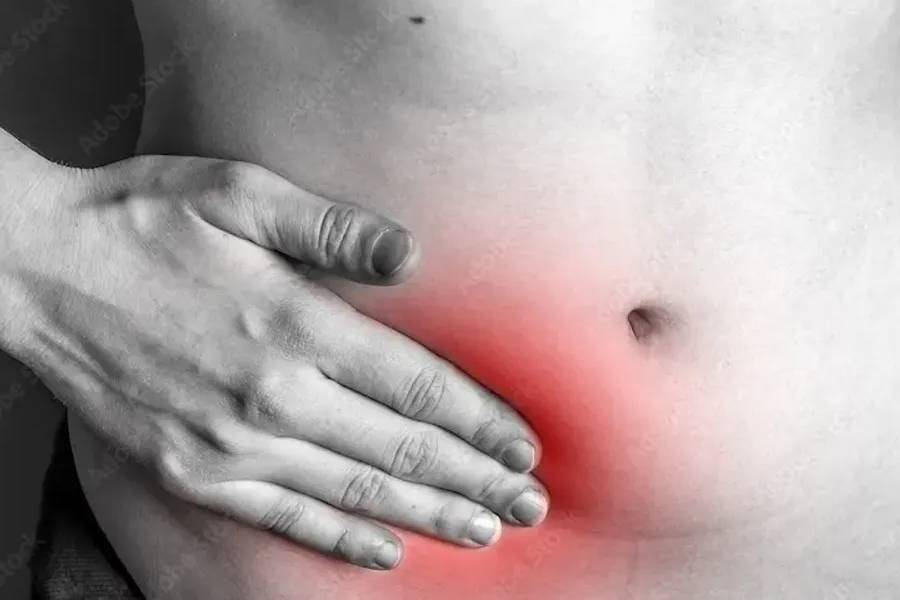
A hernia happens when an internal organ or tissue pushes out through a weak spot in the muscles of the abdomen or groin. This creates a small lump or bulge that may increase when you stand, cough, or lift something heavy. Hernias do not go away on their own and usually need medical treatment.
A hernia can occur in different areas of the body, such as:
Groin (Inguinal / Femoral)
Belly button (Umbilical)
Upper abdomen (Epigastric)
Previous surgical scar (Incisional)
Diaphragm / chest area (Hiatal hernia)
Hernias can be simple, complex, or even recurrent if previously operated.
Common Symptoms of Hernia:
1. Visible Lump or Bulge
The most common sign is a swelling or bulge in the groin, abdomen, or near the belly button. The lump may disappear when lying down.
2. Pain or Discomfort
You may feel dull pain, pressure, or heaviness—especially while:
Standing
Lifting
Coughing
Walking
Passing stool or urine
3. Burning or Pulling Sensation
Some people feel a burning or dragging sensation around the hernia site.
4. Symptoms That Get Worse with Activity
The bulge may increase in size when you:
Stand for long hours
Exercise
Lift heavy objects
5. Difficulty in Daily Activities
Hernias can cause discomfort during bending, walking, or doing regular work.
6. Symptoms in Hiatal Hernia
For hernias in the chest area (hiatal), symptoms may include:
Acidity
Heartburn
Chest discomfort
Regurgitation
Difficulty swallowing
7. Severe Symptoms (Emergency Signs)
These may indicate the hernia is stuck (incarcerated) or blood flow is blocked (strangulated):
Sudden severe pain
Hard, painful lump
Vomiting
Inability to pass stool or gas
Redness or dark color over bulge
This is a medical emergency. Surgery is required immediately.
When Should You See a Doctor?
You should consult a hernia specialist if:
You notice a bulge that comes and goes
Pain increases with activity
You feel pressure in the abdomen or groin
You have long-standing acidity or chest discomfort (hiatal hernia)
The bulge becomes painful, hard, or does not go back in
Early diagnosis ensures safer treatment and faster recovery.
Why Early Detection Matters?
Treating a hernia at the right time prevents complications like: