
When a hernia comes back after surgery, it is no longer a simple problem — it becomes a complex condition that requires advanced expertise, specialised techniques, and the right surgical planning. A recurrent hernia can affect your comfort, mobility, and confidence. Choosing a specialist hernia surgeon can make the difference between a long-term solution and another recurrence.
This guide explains why recurrent hernias happen, the risks involved, and why treatment by a specialist is essential for safe and durable results.
What is a Recurrent Hernia?
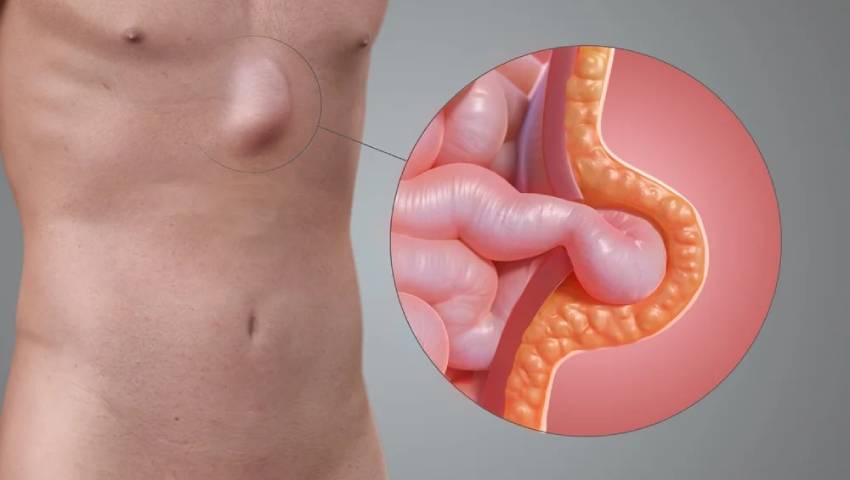
A recurrent hernia occurs when the hernia reappears at or near the same spot where surgery was previously done. This can happen months or even years after the first repair. Recurrence happens when:
- The abdominal wall becomes weak after the first surgery
- The mesh does not integrate properly
- There is scar tissue formation
- Lifestyle factors like smoking, obesity, or heavy lifting increase pressure
- Incorrect technique or poor-quality mesh was used in the earlier repair
Each recurrence makes the condition more complicated because layers of scar tissue, previous mesh, and altered anatomy must be managed carefully during the next surgery.
Common Symptoms of a Recurrent Hernia:
A recurrent hernia often shows signs similar to the first hernia but may feel more painful:
- Bulge at or near the original surgery site
- Pain that worsens with standing, coughing, lifting, or bending
- A dragging or pulling sensation in the abdomen or groin
- In some cases: nausea, vomiting, or discomfort after meals
- If the hernia gets trapped or strangulated, it becomes an emergency
Ignoring recurrent hernias can lead to bowel obstruction, severe pain, or even life-threatening complications.
Why Do Recurrent Hernias Require a Specialist?
Treating recurrent hernias is significantly more complex than repairing a hernia for the first time. A general surgeon may not have the required experience to handle scar tissue, old mesh, or distorted anatomy. A specialist hernia surgeon, however, deals with these challenges routinely.
1. Lower Recurrence Rates:
Specialist centres consistently report recurrence rates of less than 5%,
whereas non-specialist facilities may see recurrence rates above 20%.
This difference is due to better surgical planning, precise mesh placement, and advanced techniques.
2. High-Volume Expertise:
Specialist surgeons perform hundreds of hernia repairs every year.
High volumes lead to:
- Greater accuracy
- Faster surgery
- Better decision-making during complex cases
- Fewer postoperative complications
Repetition builds mastery — and mastery gives better results.
3. Access to Advanced Surgical Techniques:
Recurrent hernias often require more than standard surgery. Specialists offer:
- Robotic Hernia Repair: Enhanced precision, ideal for complex or deep-seated hernias
- Laparoscopic Repair: Faster recovery, less pain, and minimal scarring
- Posterior Component Separation / TAR (Transversus Abdominis Release): A breakthrough technique for large abdominal wall defects
- Advanced Mesh Fixation Methods: Reduces pain and improves long-term strength
These cutting-edge techniques greatly improve durability and reduce recurrence.
4. Personalised, Case-Specific Planning:
Every recurrent hernia is different. A specialist analyses:
- Previous surgery details
- Type and placement of old mesh
- Scar tissue patterns
- Abdominal wall strength
- Patient lifestyle, weight, and medical risks
Based on this, a customised surgical plan is created — instead of a “one-size-fits-all” approach.
This personalisation is key to preventing yet another recurrence.
5. Better Management of Complications:
Recurrent hernias often come with additional issues such as:
- Chronic pain
- Nerve entrapment
- Mesh infection
- Mesh migration
- Weak abdominal muscles
Specialist surgeons are trained to handle all these complications safely and effectively.
Treatment Options for Recurrent Hernia:
Depending on your condition, a specialist may recommend:
Observation: For very small and painless hernias, regular monitoring is enough.
Open Hernia Repair: Useful when scar tissue is extensive or mesh removal is required.
Laparoscopic / Robotic Repair: Preferred for most recurrent hernias because it avoids previous incision areas and offers:
- Less pain
- Smaller cuts
- Faster healing
- Low infection rates
The Specialist Advantage: A Safer, More Durable Repair
Choosing a hernia specialist offers clear benefits:
- Lower recurrence rates
- Fewer complications
- Better functional outcomes
- Faster return to daily activities
- Precision repair using advanced minimally invasive methods
- Personalised surgery based on your previous repair and health factors
Your hernia has returned — but the problem doesn’t have to repeat again.
A specialist surgeon ensures you receive the safest, most effective, and most durable treatment possible.