
Inguinal Hernia:
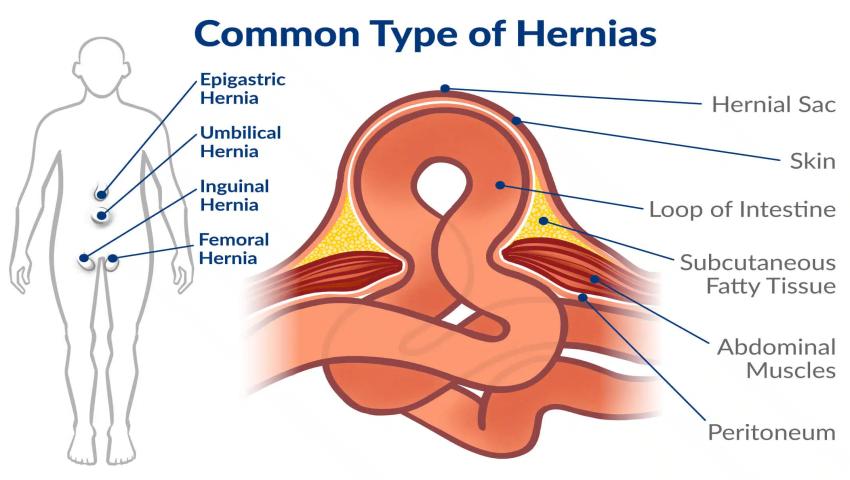
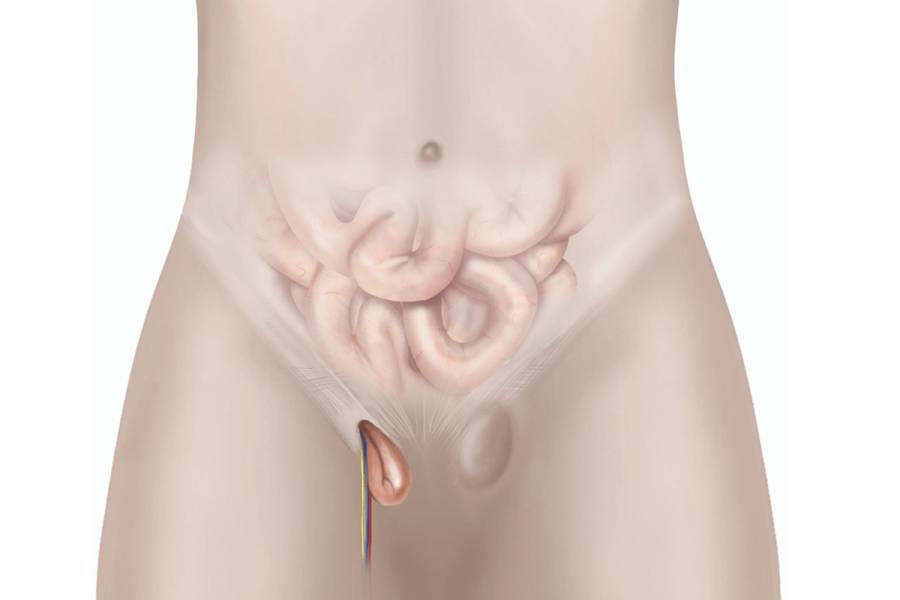
The inguinal hernia is the most frequently diagnosed type of hernia. It happens when a part of the intestine or fatty tissue pushes through the inguinal canal in the groin area. This type is far more common in men than in women. Common symptoms include a visible bulge in the groin, a feeling of heaviness, and pain during physical activity. In severe cases, the herniated tissue can become trapped, cutting off blood supply — a condition called strangulation, which requires emergency surgery.
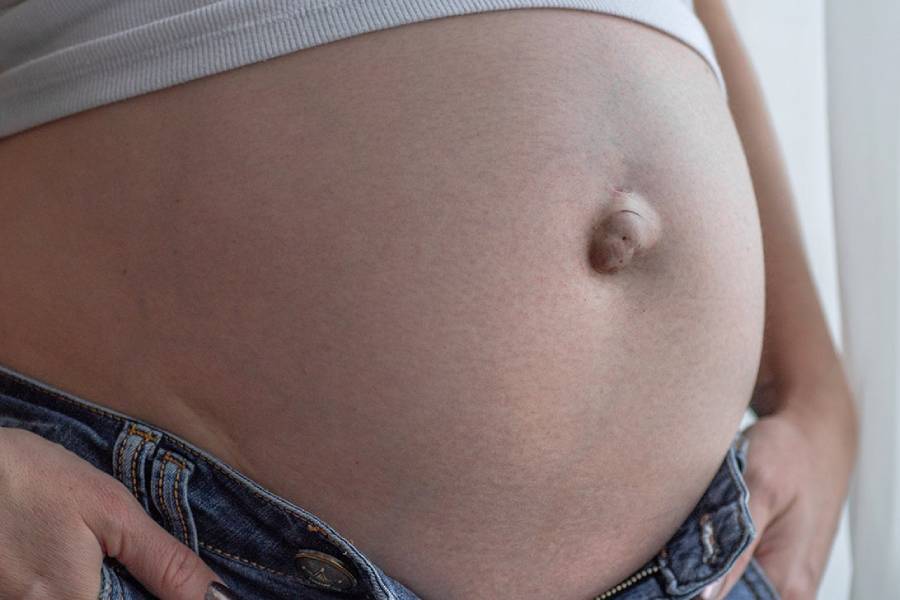
Umbilical Hernia:
An umbilical hernia forms near the navel or belly button. It is commonly seen in newborns, but adults can also develop it — especially women who have had multiple pregnancies or people who are overweight. In infants, these often resolve on their own by the age of four. In adults, surgical repair is usually recommended, especially if the hernia is growing or causing discomfort.
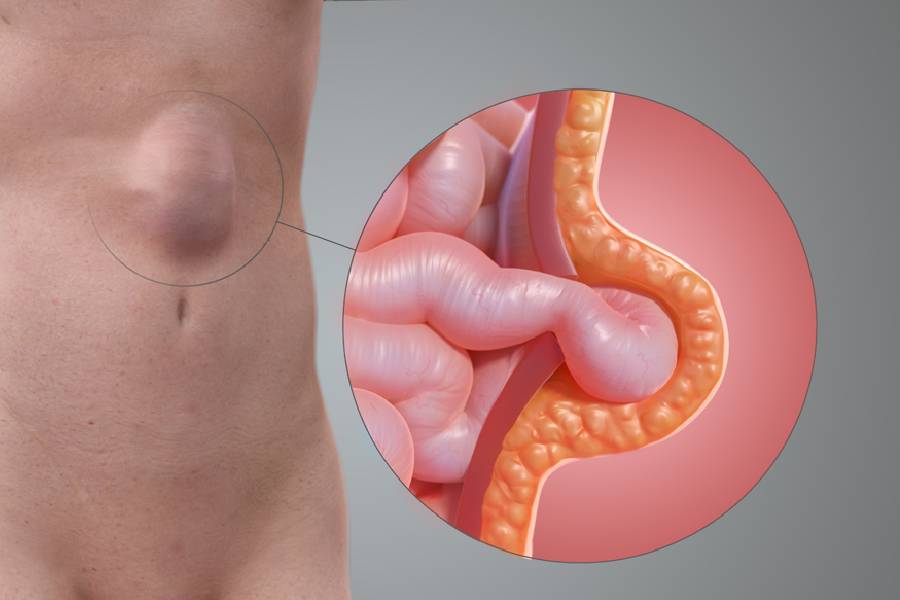
Ventral Hernia:
A ventral hernia refers to any hernia that occurs along the front of the abdominal wall. It can appear at the navel (umbilical), in the upper abdomen (epigastric), or through a previous surgical scar (incisional). These can vary greatly in size and complexity. Ventral hernias are best treated with laparoscopic or robotic surgery, which allows for quicker recovery and minimal scarring compared to open surgery.

Femoral Hernia:
A femoral hernia occurs just below the groin, through the femoral canal. It is less common than an inguinal hernia but carries a higher risk of complication. This type is more frequently seen in women, particularly those who are pregnant or obese. Since femoral hernias have a high risk of strangulation, doctors almost always recommend prompt surgical repair, even if there are no significant symptoms at the time of diagnosis.
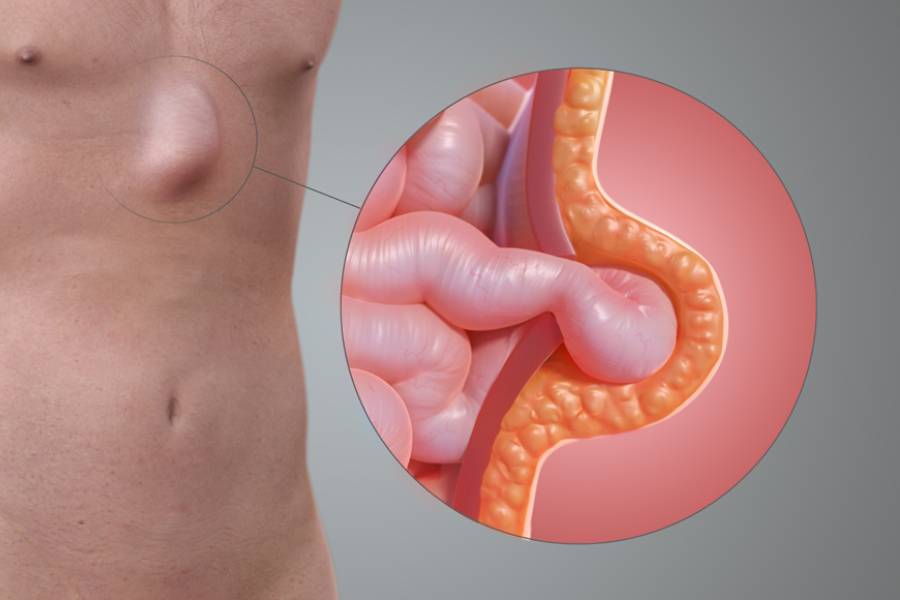
Epigastric Hernia:
An epigastric hernia develops between the belly button and the chest, in the upper abdominal region. Fatty tissue protrudes through a weak spot in the abdominal muscles. These are usually small but can be painful. Surgical correction is generally advised for adults since the hernia does not heal on its own and can enlarge over time. Minimally invasive approaches yield excellent results with short recovery periods.
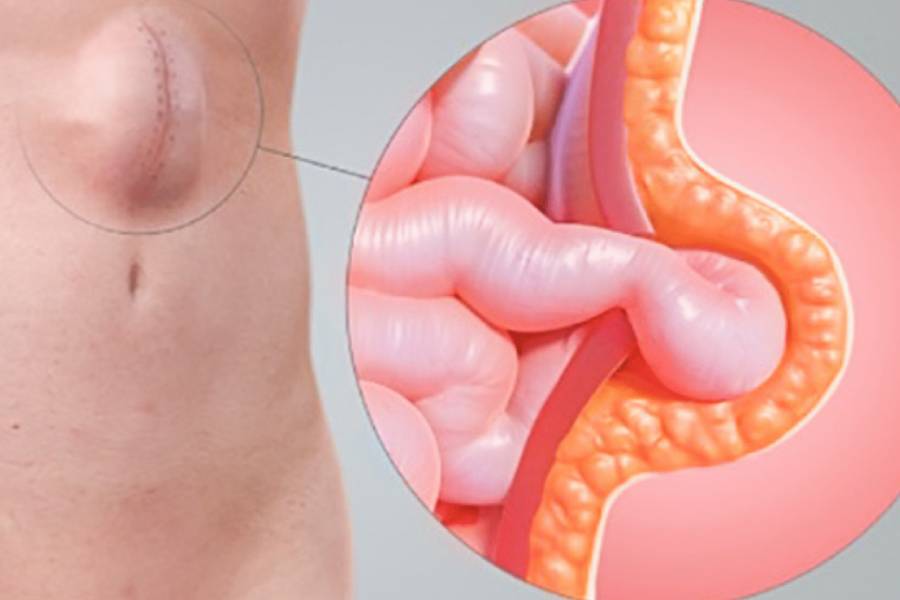
Incisional Hernia:
The inguinal hernia is the most frequently diagnosed type of hernia. It happens when a part of the intestine or fatty tissue pushes through the inguinal canal in the groin area. This type is far more common in men than in women. Common symptoms include a visible bulge in the groin, a feeling of heaviness, and pain during physical activity. In severe cases, the herniated tissue can become trapped, cutting off blood supply — a condition called strangulation, which requires emergency surgery.
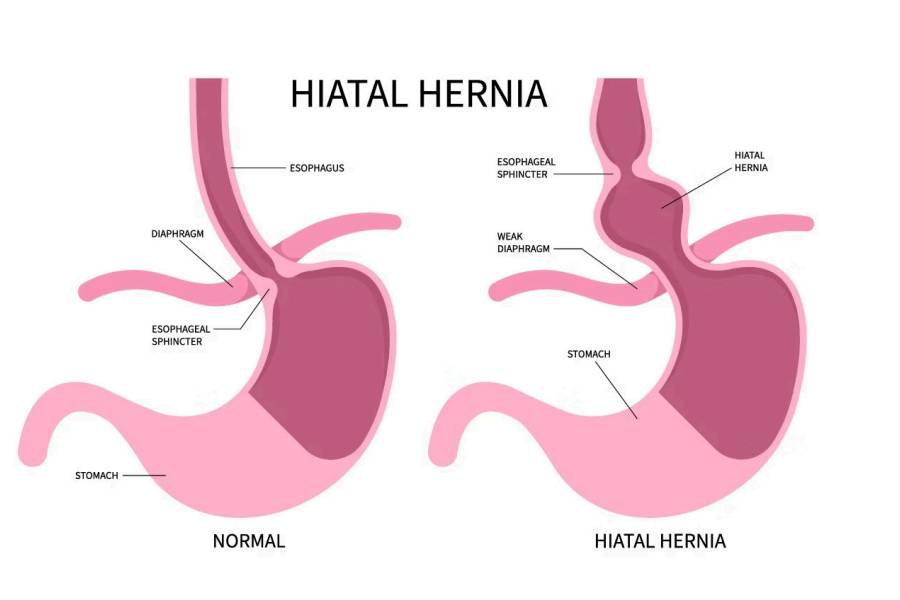
Hiatal Hernia:
The inguinal hernia is the most frequently diagnosed type of hernia. It happens when a part of the intestine or fatty tissue pushes through the inguinal canal in the groin area. This type is far more common in men than in women. Common symptoms include a visible bulge in the groin, a feeling of heaviness, and pain during physical activity. In severe cases, the herniated tissue can become trapped, cutting off blood supply — a condition called strangulation, which requires emergency surgery.
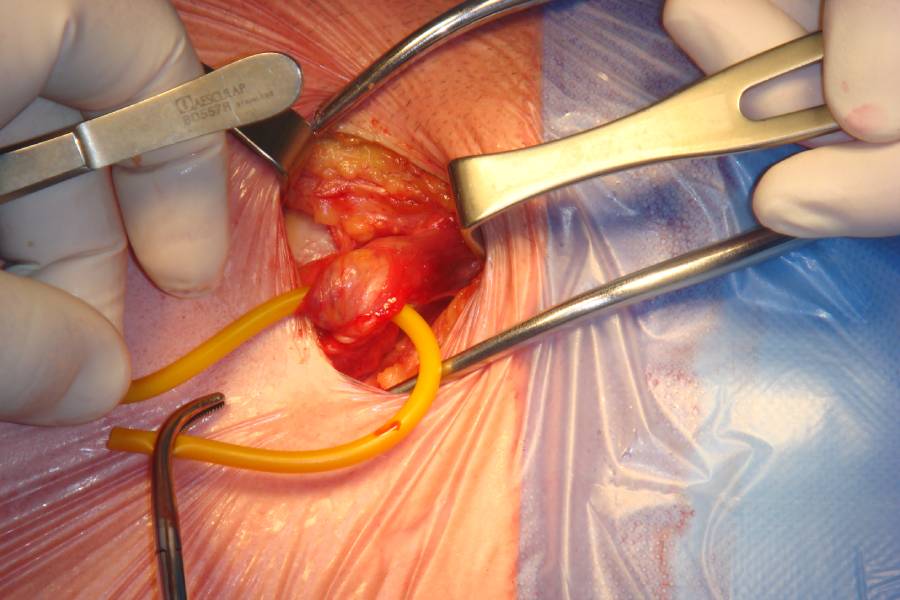
Complex Hernia:
A complex hernia refers to a hernia that is large, recurrent, or involves significant abdominal wall defects. These require advanced surgical expertise — including component separation techniques and mesh-based abdominal wall reconstruction — and are best handled by highly experienced surgeons. Dr. Pinak Dasgupta has pioneered advanced techniques for managing complex hernias in India. His robotic surgical expertise gives him an advantage in handling these challenging cases with precision and safety.

Sports Hernia (Athletic Pubalgia):
A sports hernia, also called athletic pubalgia, is a soft tissue injury in the groin area that causes chronic groin pain. It is common among athletes who play sports requiring sudden direction changes, such as football, cricket, or tennis. Unlike a typical hernia, there is usually no visible bulge. Treatment typically begins with physiotherapy and anti-inflammatory medicines. If conservative management fails, surgical repair of the torn tissues is recommended to allow the athlete to return to full activity.

A surgical mesh is often used to reinforce the weakened area and reduce the risk of recurrence. In complex hernias, full abdominal wall reconstruction may be required. These procedures are carried out by Dr. Pinak Dasgupta at GEM Hospital, Chennai, using the latest mesh materials and surgical techniques.

Robotic surgery is the most advanced form of minimally invasive hernia repair. The Da Vinci robotic system gives surgeons enhanced precision and control, especially in complex or recurrent hernias. Dr. Pinak Dasgupta is a certified Da Vinci Robotic Console Surgeon and has performed over 1,000 robotic hernia procedures. He is widely recognised as one of the best Hernia Specialists in India for robotic hernia repair.

Open surgery may be recommended for certain cases, such as strangulated hernias or patients with specific health conditions. In this method, a larger incision is made directly over the hernia site for repair with or without a mesh.

Laparoscopic hernia repair uses small incisions and a tiny camera to guide the procedure. It results in less pain, faster recovery, and minimal scarring. Most patients return to normal activities within a week.